
Some links below are affiliate links, that help keep this site running at no extra cost to you. Learn more here.
Santa Pola sits just 20 kilometres south of Alicante and feels refreshingly different from some of the more tourist-heavy spots along the Costa Blanca. This working fishing port has managed to keep its authentic Spanish character while offering visitors some fantastic beaches, fascinating salt lakes, and easy access to the Mediterranean island of Tabarca.

I’ve put together this complete guide to help you discover what makes Santa Pola so special if you’re considering visiting as a day trip from Alicante, or staying there for your trip.
Where is Santa Pola?
Santa Pola is located on the Costa Blanca in the province of Alicante, about 22 kilometres from Alicante city centre. The town sits on a small peninsula jutting into the Mediterranean, giving it an impressive coastline with beaches facing both east and south.
The town is perfectly positioned for exploring the wider Costa Blanca region – you’re just 15 minutes from Elche, 25 minutes from Alicante Airport, and close enough to Torrevieja and other coastal towns for easy day trips.
Getting to Santa Pola
The easiest way to reach Santa Pola is by car, especially if you’re planning to explore the surrounding area. From Alicante Airport, it’s a straightforward 25-minute drive via the AP-7 motorway.
If you’re staying in Alicante city, there are regular bus services that run to Santa Pola throughout the day. The journey can take 27 minutes and buses depart from Alicante’s main bus station.
Santa Pola’s beaches
Gran Playa
This is Santa Pola’s main beach and one of the most popular spots for families. The golden sand stretches for over a kilometre, and the shallow, calm waters make it perfect for children to play safely.
You’ll find all the facilities you need here – beach bars, sun lounger rentals, and clean public toilets. The promenade behind the beach is lovely for an evening stroll, with plenty of restaurants and ice cream shops.
During summer, there are often beach volleyball tournaments and other activities organised by the local council, which adds to the lively atmosphere.
Playa del Varadero
Located near the marina, this smaller beach offers a more intimate setting than Playa Lisa. It’s particularly popular with locals and tends to be quieter, even in peak season.
There’s a beach bar right on the sand called Nomo Varadero where you can grab refreshments and food without having to walk far.
The beach has fine golden sand and is well-protected from strong winds, making it a reliable choice even when other beaches might be choppy.
Boat trips to Tabarca island
One of the absolute highlights of visiting Santa Pola is taking a boat trip to Tabarca island – Spain’s smallest inhabited island and a designated marine reserve.
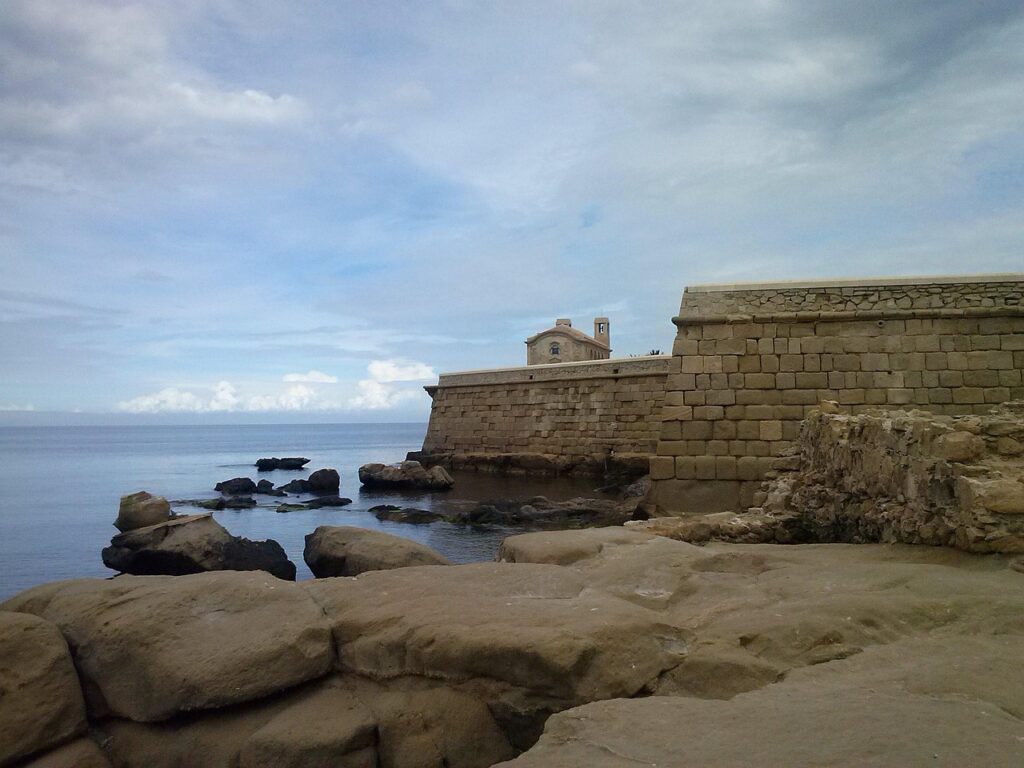
The boat journey takes about 30 minutes each way, and during summer months, there are regular departures throughout the day from Santa Pola’s harbour.
Buy return Santa Pola tickets to Tabarca Island from €9pp
Return tickets typically cost around €18-22 for adults and €12-15 for children. Tabarca is absolutely magical – there are no cars on the island, just narrow cobbled streets lined with traditional fishermen’s houses. The crystal-clear waters around the island are perfect for snorkelling, and you’ll often spot schools of fish just metres from the shore.
Salinas de Santa Pola (salt lakes)
The Salinas de Santa Pola are one of the most unique natural attractions on the entire Costa Blanca. These ancient salt flats have been in operation for over 2,000 years and are now a protected natural park that’s home to thousands of flamingos and other bird species.
The best time to visit is early morning or late afternoon when the light is softer and the birds are most active. You’ll often see hundreds of flamingos feeding in the shallow pink waters – it’s an incredible sight and makes for fantastic photos.
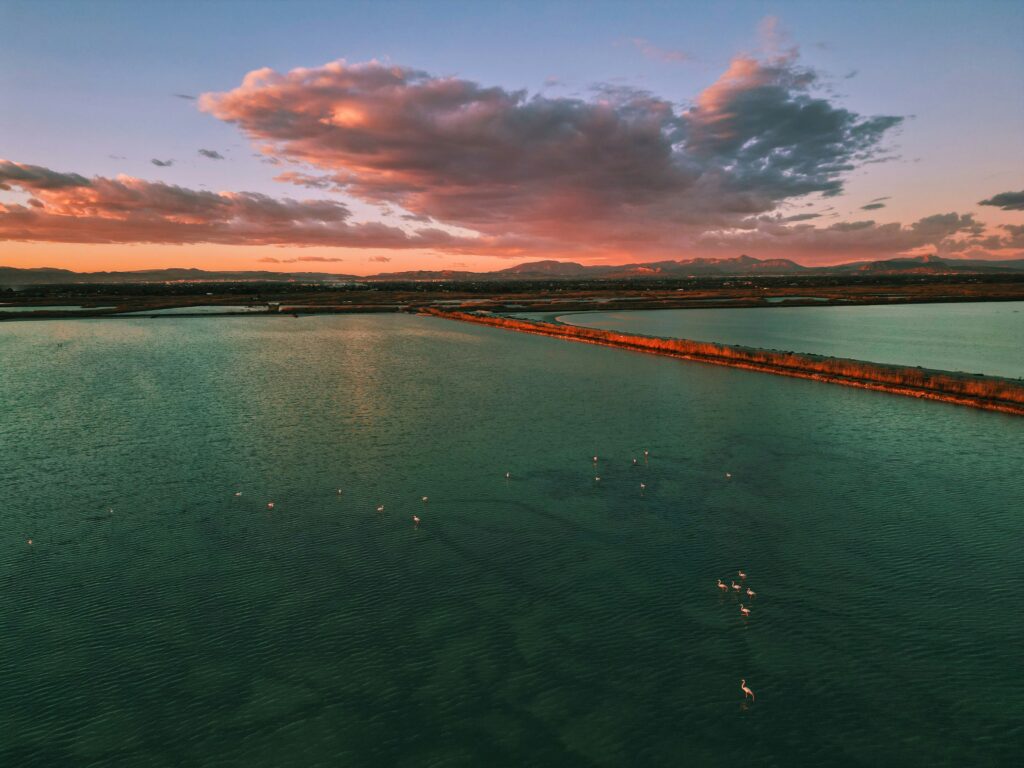
There are several walking trails around the salt lakes, and information boards explain the traditional salt-making process and the importance of this ecosystem for migrating birds. The contrast between the bright pink water, white salt mountains, and blue Mediterranean in the distance is absolutely stunning.
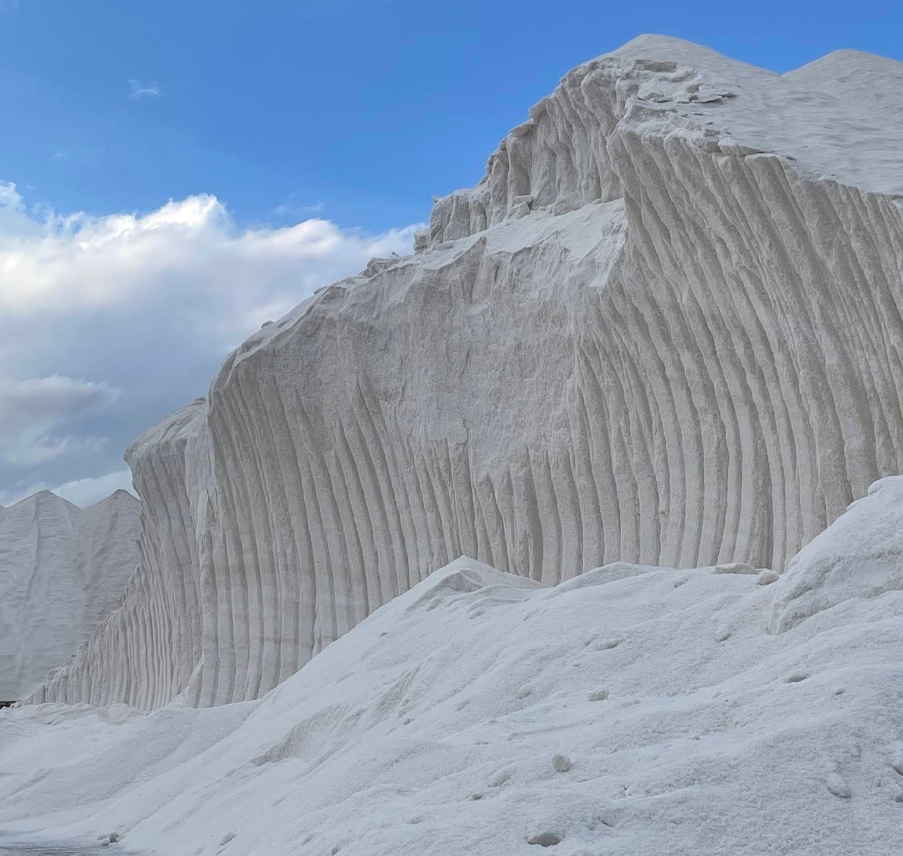
The visitor centre near the entrance has more detailed information about the wildlife and salt production, and it’s worth stopping by to learn more about this fascinating environment.
Santa Pola castle and old town
Castillo-Fortaleza de Santa Pola
This impressive 16th-century fortress sits right in the heart of Santa Pola and houses the town’s excellent archaeological museum. The castle was built to protect the coast from Barbary pirate attacks and offers fantastic views over the harbour and Mediterranean.
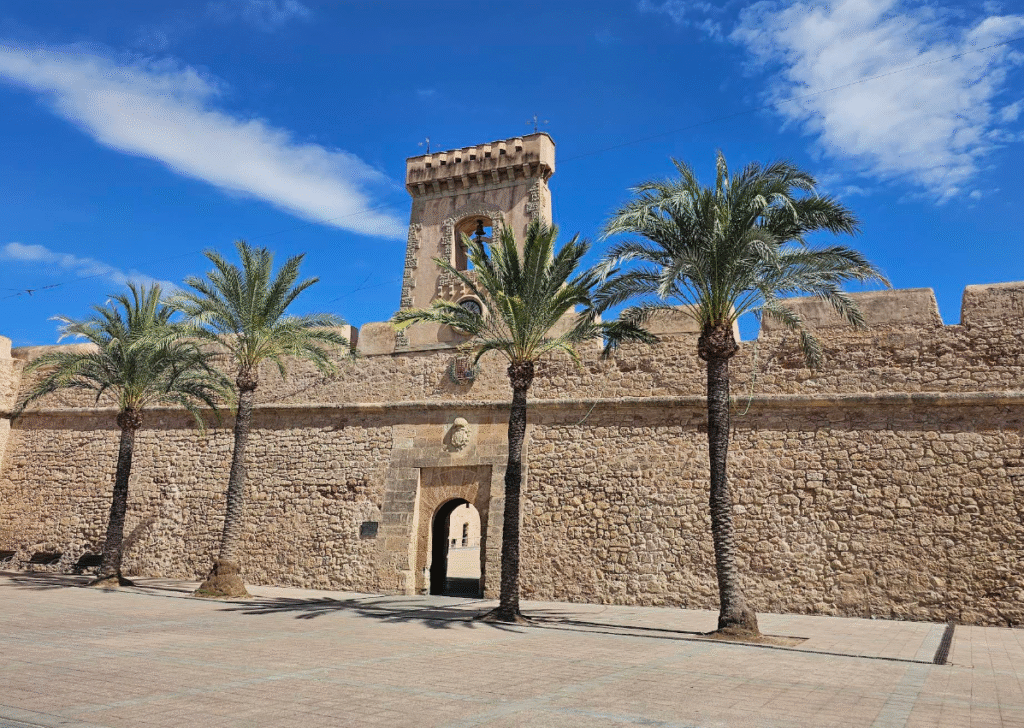
- Opening hours: Tuesday to Sunday, 10am-2pm and 4pm-8pm (summer), 10am-2pm and 3pm-6pm (winter)
- Admission: Free
Inside the castle, you’ll discover Santa Pola’s Roman heritage – the town was built on the site of the ancient Roman settlement of Portus Illicitanus. The museum displays Roman mosaics, pottery, and other archaeological finds that paint a fascinating picture of life here 2,000 years ago.
Santa Pola marina and fishing harbour
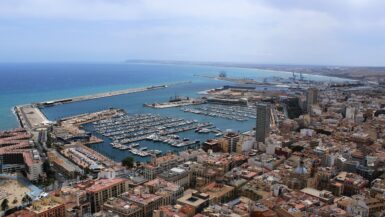
The marina and fishing harbour are the beating heart of Santa Pola, and it’s fascinating to watch the fishing boats come and go throughout the day. Early morning is particularly interesting when the overnight fishing boats return with their catch.
The harbour area has a lovely promenade where you can stroll and admire the boats, and there are several excellent seafood restaurants with terraces overlooking the water. This is also where you’ll catch the boats to Tabarca island.
The marina section houses pleasure boats and yachts, and there are several companies offering fishing trips and coastal excursions if you fancy a different perspective of the coastline.
Pola Park Santa Pola
This family theme park includes rides like roller coaster, Ferris wheel, go-karts, bumper cars, trampolines, slides, mini-golf, and soft play areas. It’s mostly suited for kids up to about 12 years, but fun for all ages.
The park is spacious, safe, clean, and has friendly staff – perfect for families with young children who want a fun day out.
Best time to visit
Santa Pola enjoys a typical Mediterranean climate with mild winters and hot summers. The best times to visit are spring (March-May) and autumn (September-November) when the weather is perfect for sightseeing and the beaches aren’t too crowded.
Summer (June-August) is ideal for beach activities and boat trips, but expect higher prices and more crowds, particularly during Spanish school holidays.
Getting around the town
Santa Pola is quite compact and most attractions are within walking distance of each other. The town centre, beaches, and harbour are all easily accessible on foot. If you want to visit the salt lakes or more distant beaches, a car is helpful, though there are local buses that connect the main areas.
Where to stay
Santa Pola has accommodation options ranging from beachfront hotels to self-catering apartments. The area around Playa Lisa has the most hotels and is convenient for restaurants and nightlife. For a quieter stay, consider the areas near Gran Playa or closer to the salt lakes, where you’ll find more space and natural surroundings.
Day trips from Santa Pola
Santa Pola’s central location makes it an excellent base for exploring the wider Costa Blanca region:
- Elche (15 minutes) – Famous for its UNESCO World Heritage palm grove and archaeological museum
- Alicante (25 minutes) – The regional capital with excellent shopping, museums, and the impressive Santa Bárbara Castle
- Torrevieja (30 minutes) – Larger resort town with more nightlife and shopping options
Local festivals and events
Santa Pola comes alive during its annual festivals, particularly the **Moros y Cristianos** festival in June, which recreates the medieval battles between Moors and Christians with elaborate costumes and parades.
The Virgen del Carmen festival in July celebrates the patron saint of fishermen with a beautiful sea procession where decorated boats carry the statue of the Virgin around the bay.
These festivals offer a fantastic opportunity to experience authentic Spanish culture and join in with local traditions.