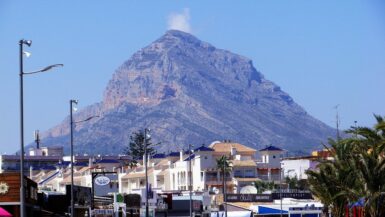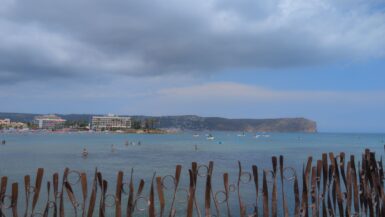

Welcome to Jàvea (or Xàbia in Valencian), a gorgeous town located on the easternmost tip of the province of Alicante, within the autonomous community of Comunidad Valenciana, Spain. I grew up in this beautiful town, and I’m excited to share this guide with you!
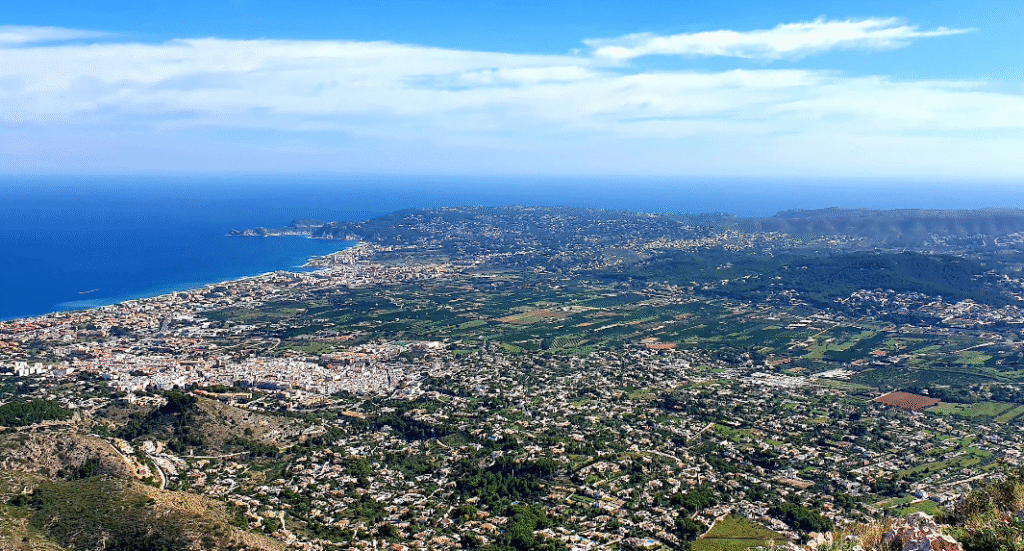
Where is Jàvea?
The town of Jàvea is at the very east of Spain, almost opposite to Ibiza. It lies roughly halfway between two famous Spanish cities called Valencia and Alicante, about 100 kilometres from each city.
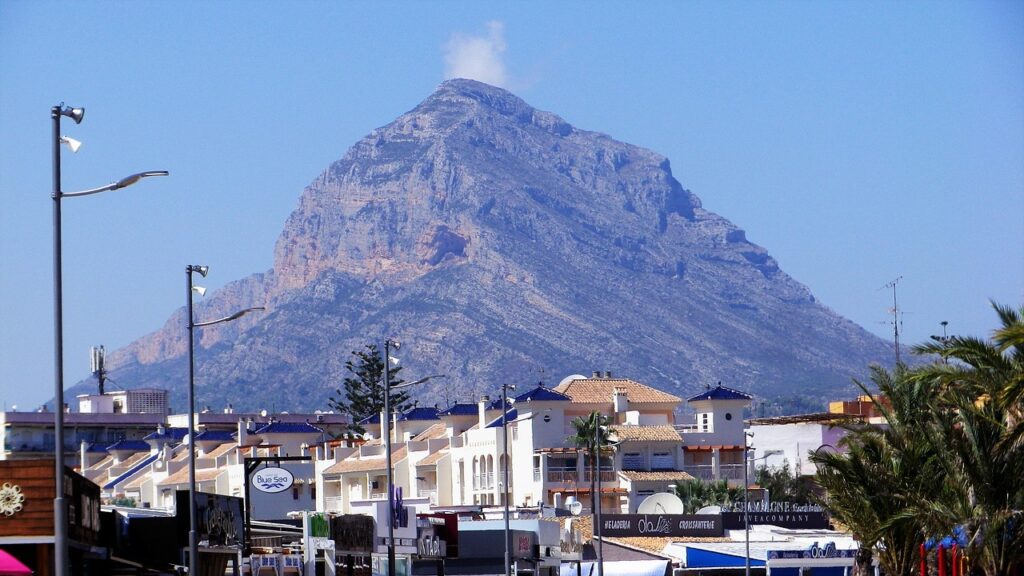
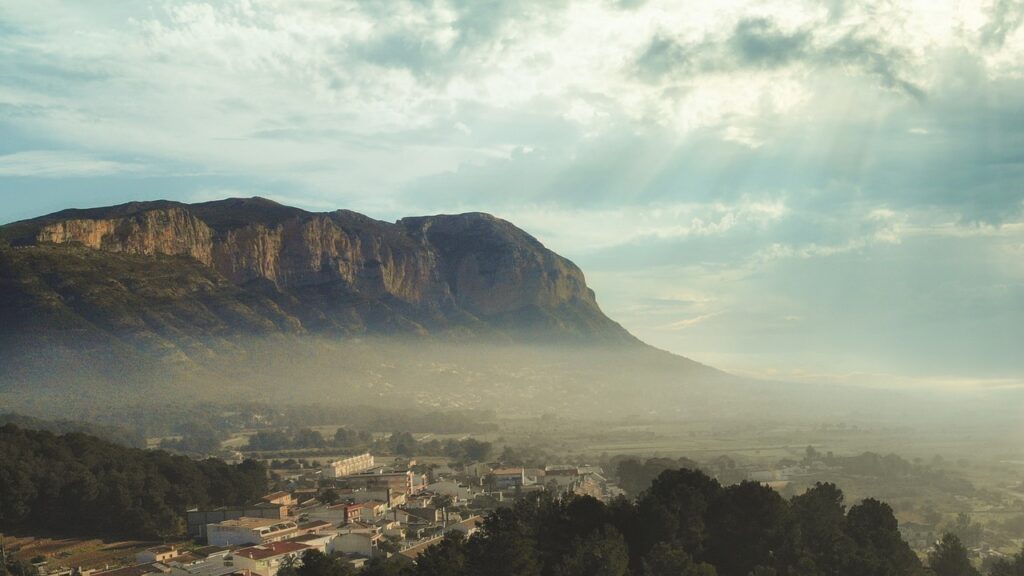
The town sits in the shadow of the Montgó Massif, a huge mountain that looks remarkably like an elephant. On the other side of this mountain lies Denia, another amazing town worth visiting that I’ve written all about!
Why Jàvea’s climate is special
The summers (June through September) bring average temperatures around 25°C to 30°C, though during peak summer, temperatures can soar above 35°C. Make sure you pack high-factor sunscreen and stay hydrated during these months.
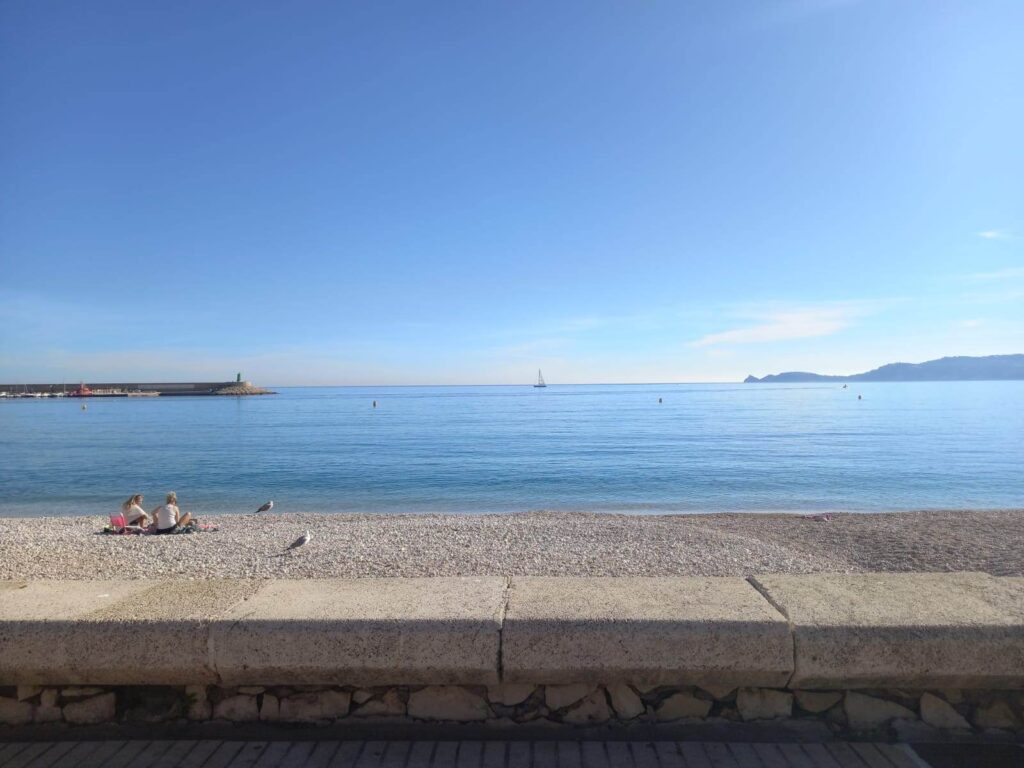
But here’s what I love most about Jàvea – the winters are milder than most places in Europe, and definitely warmer than anywhere in the UK. I remember one Christmas Day when I wore a summer outfit because it was so warm outside! Even in January, you can expect average temperatures of 12°C.
It rarely rains here, but when it does, locals call it ‘gota frias’ – periods of extreme rainfall that usually happen in spring or early autumn and last about 5 days to a week. I’ve got a photo of our labrador, Alfie, walking through what’s usually a dry path that had turned into a river during one of these downpours!
The three faces of Jàvea
Jàvea is divided into three distinct areas, each with its own personality. I’ve written all about these areas to help you decide where to spend your time.
The Old Town (Casco Antiguo)
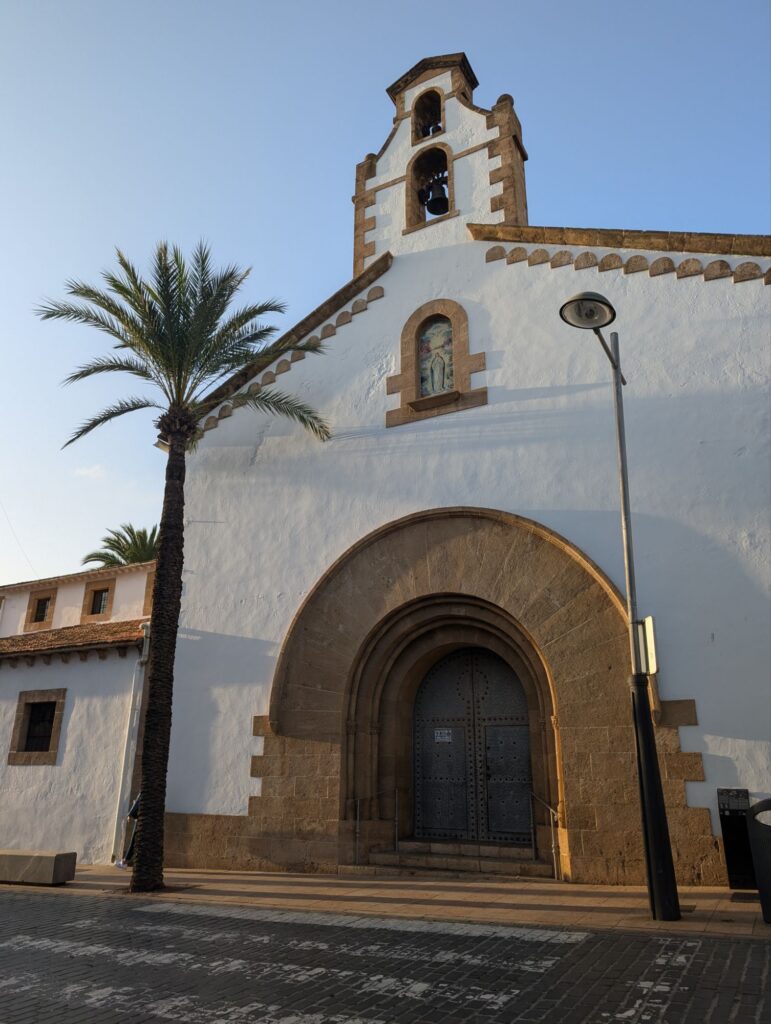
This is where Jàvea’s heart truly beats, in its Old Town. Step back in time as you wander through winding alleys lined with tosca stone buildings.
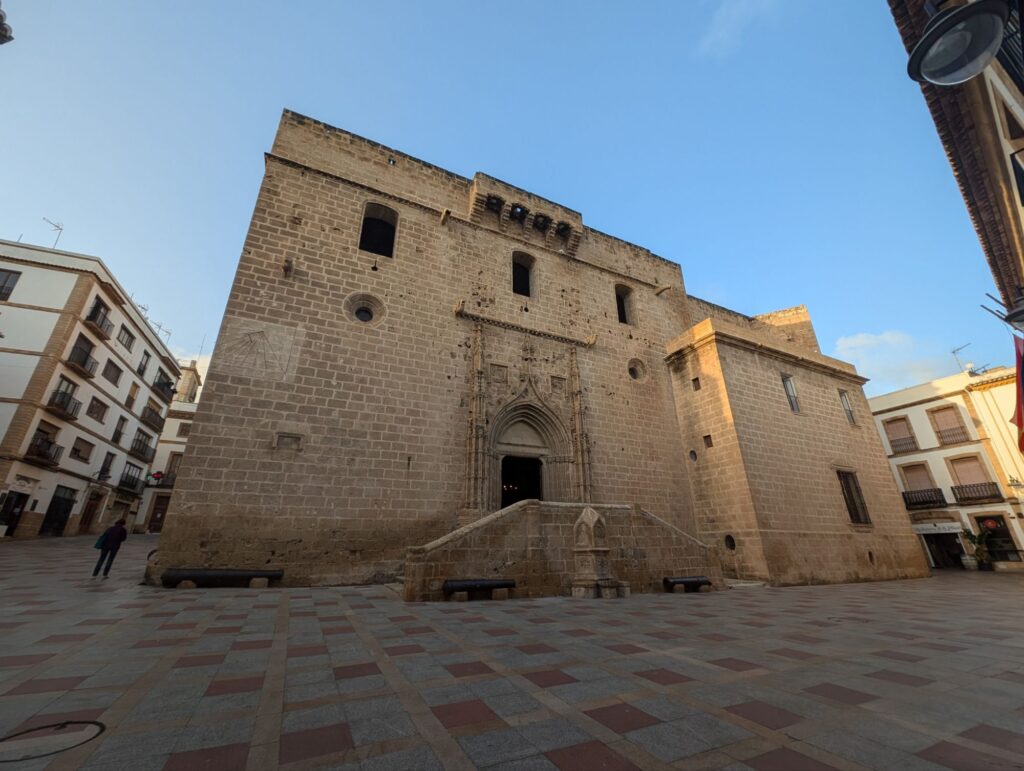
The 18th-century San Bartolomé Church is a must-see – a beautiful example of Elizabethan Gothic architecture. The church’s fortress-like appearance isn’t just for show – it was actually built to defend against pirate attacks.
Many locals gather in the old town as its home to many small cafes, restaurants, and shops. There’s even a food daily market you can visit or ingredients or a spot of lunch. It’s perfect for people-watching over a coffee or glass of local wine.
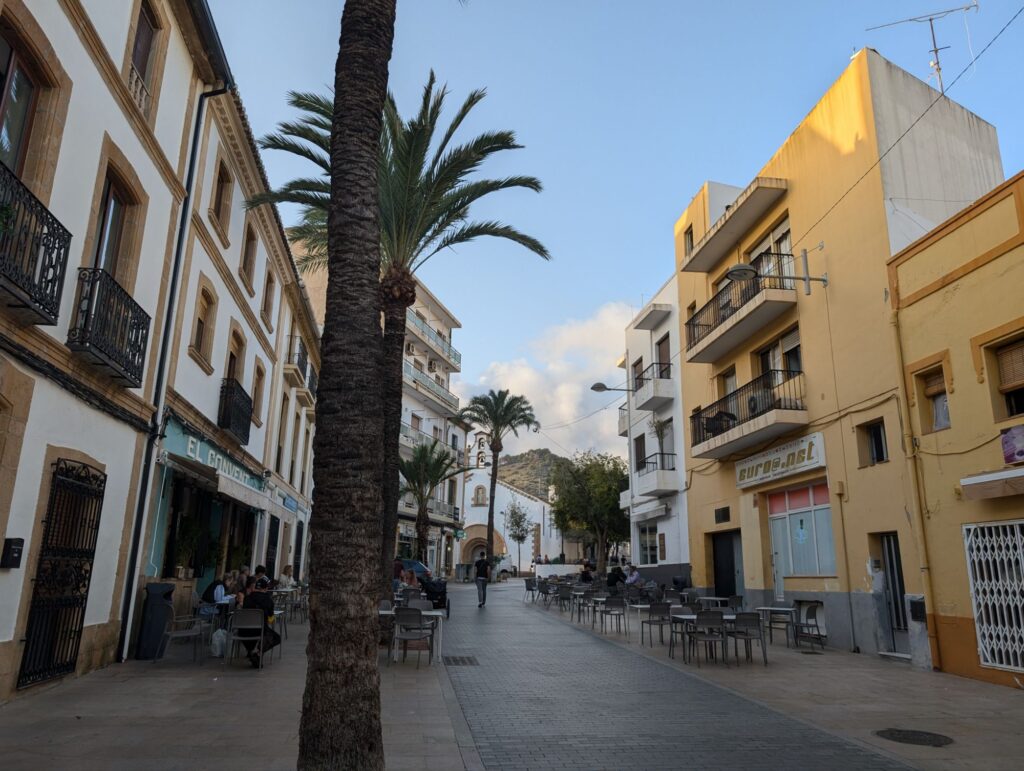
Jàvea Port (El Puerto)
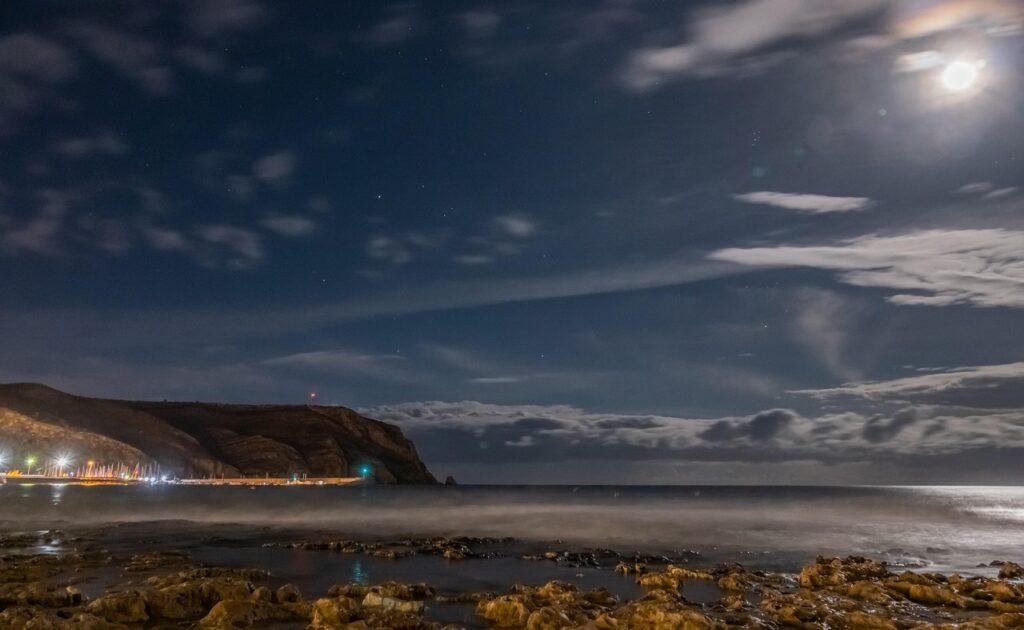
The fishing port is where you’ll get the most authentic taste of Jàvea. This is where the town’s fishing heritage is still very much alive. Head here in the late afternoon to watch local fishermen bring in their daily catch, which often makes its way directly to the town’s restaurants that same evening.
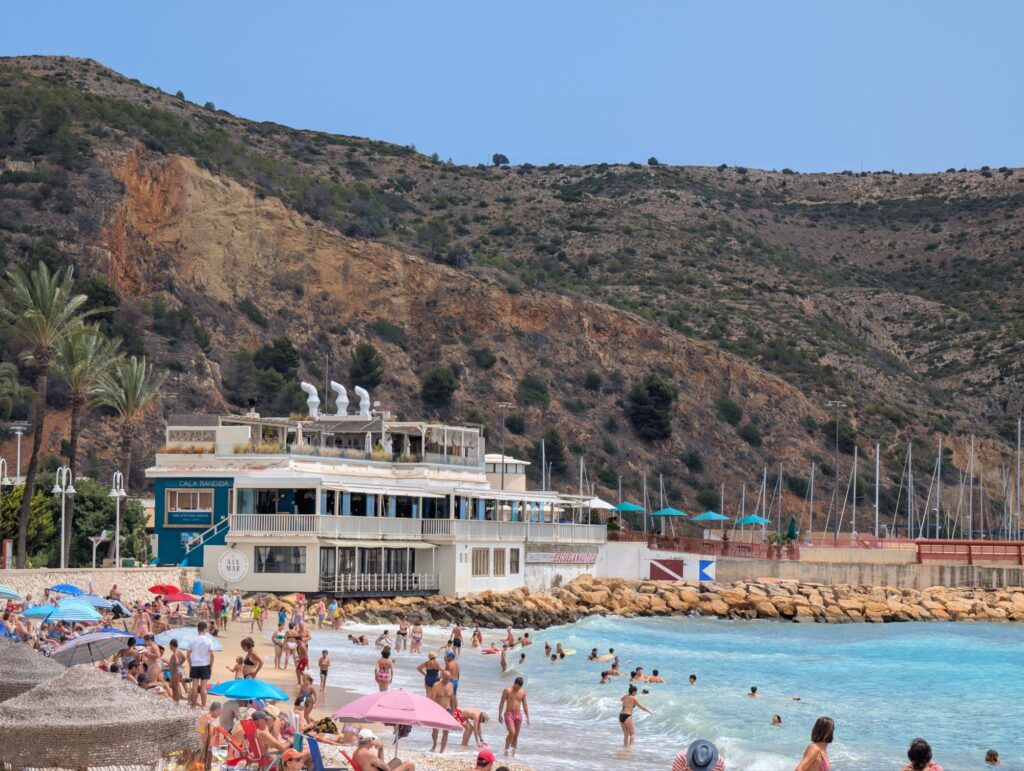
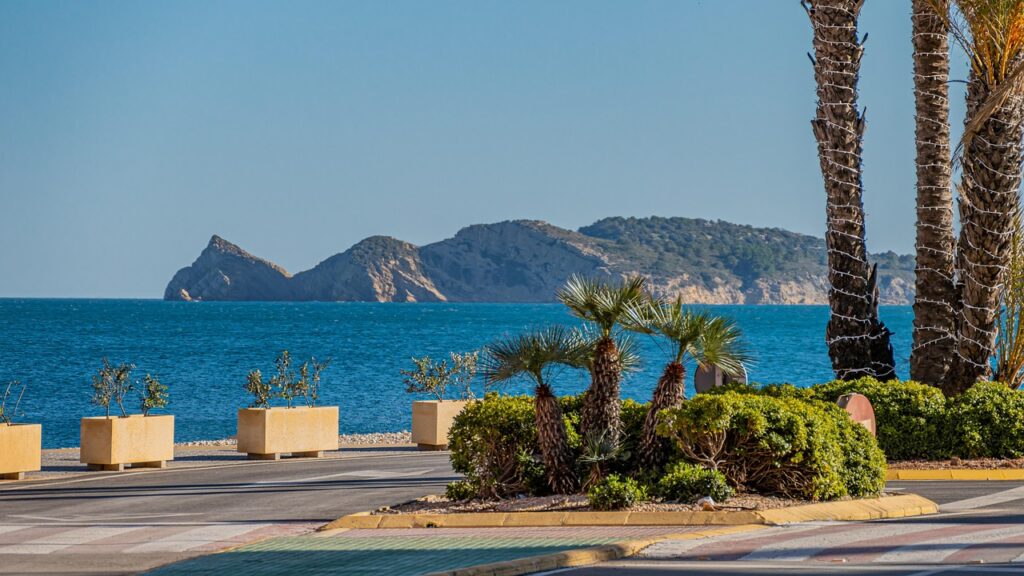
The port area has a lovely promenade that’s ideal for evening strolls, plus the pebbly Playa de la Grava beach. The restaurants here serve some of the freshest seafood you’ll find anywhere on the Costa Blanca!
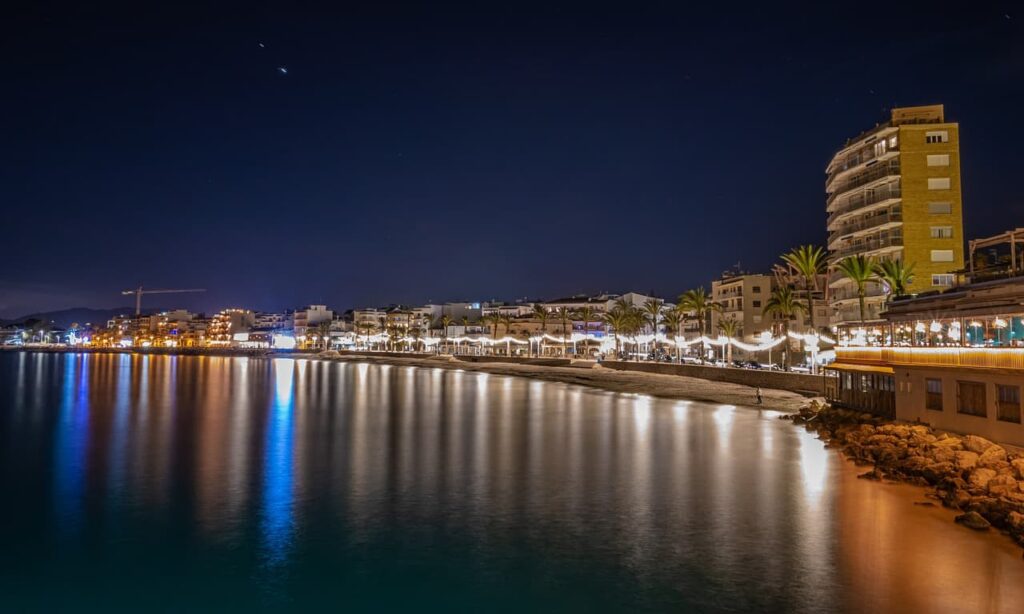
Arenal Beach (Playa del Arenal)
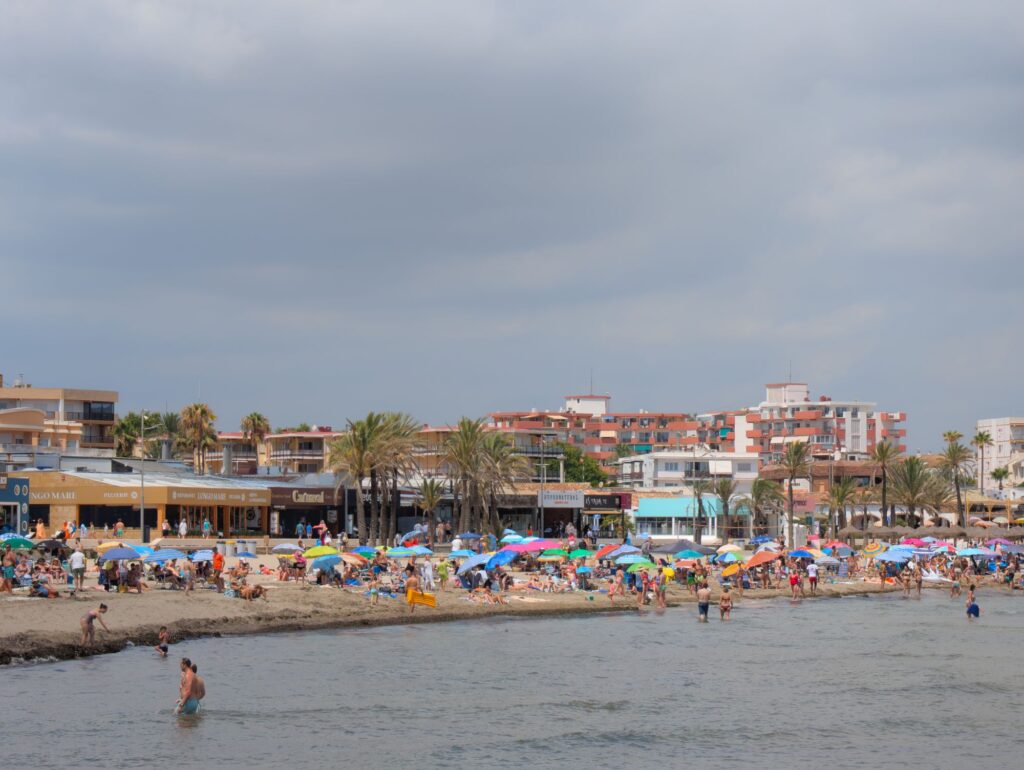
This is Jàvea’s main tourist hub, and for good reason. The golden sandy stretch of Playa del Arenal offers shallow waters perfect for families, plus an array of beachfront restaurants and bars.
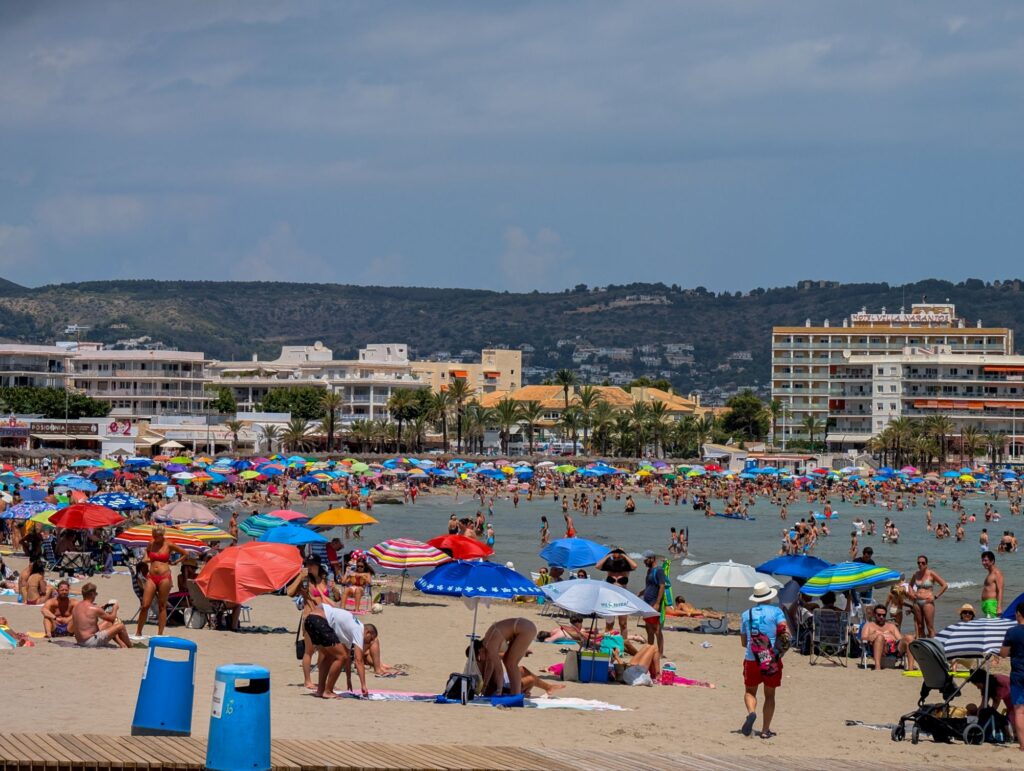
During summer, this area really comes alive. The beach gets busy (but not uncomfortably so), and there’s a great atmosphere with beach bars, water sports, and that classic Spanish beach culture in full swing.
Jàvea’s incredible beaches
I absolutely have to dedicate a proper section to Jàvea’s beaches – they’re what make this place so special. Each beach has its own character, and I’ve spent countless hours at every single one of them.
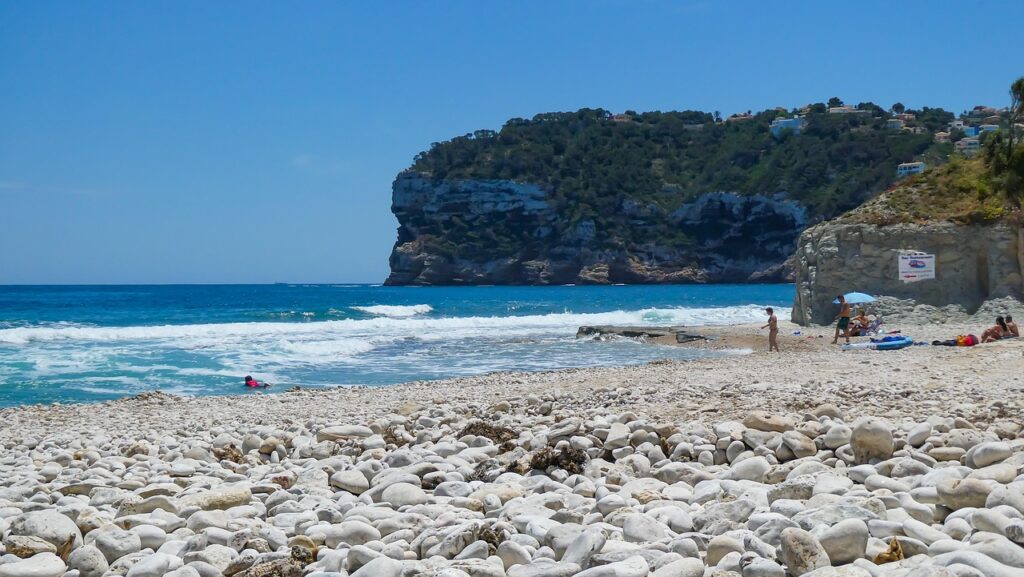
The main beaches are the Port beach (Playa de la Grava) and Arenal beach, both located in the most populated areas and very convenient to reach. But honestly, my favourite is Cala Blanca. It’s much quieter and prettier, with two whole coves to discover and snorkel around.
For those seeking something more secluded, Cala Portixol offers incredible snorkelling opportunities, while Granadella beach (technically just outside Jàvea) provides some of the clearest waters on the entire Costa Blanca.
For a complete rundown of all the best spots, including the hidden gems that most tourists miss, check out my detailed guide to Jàvea’s beaches.
Things to do in Jàvea
Water activities
For water sports enthusiasts, Jàvea offers loads of activities, from Javea boat trips and tours, kayaking in Javea, paddleboarding, and more. You can kayak in the sea caves around Granadella beach – it’s an incredible experience paddling into these natural formations.
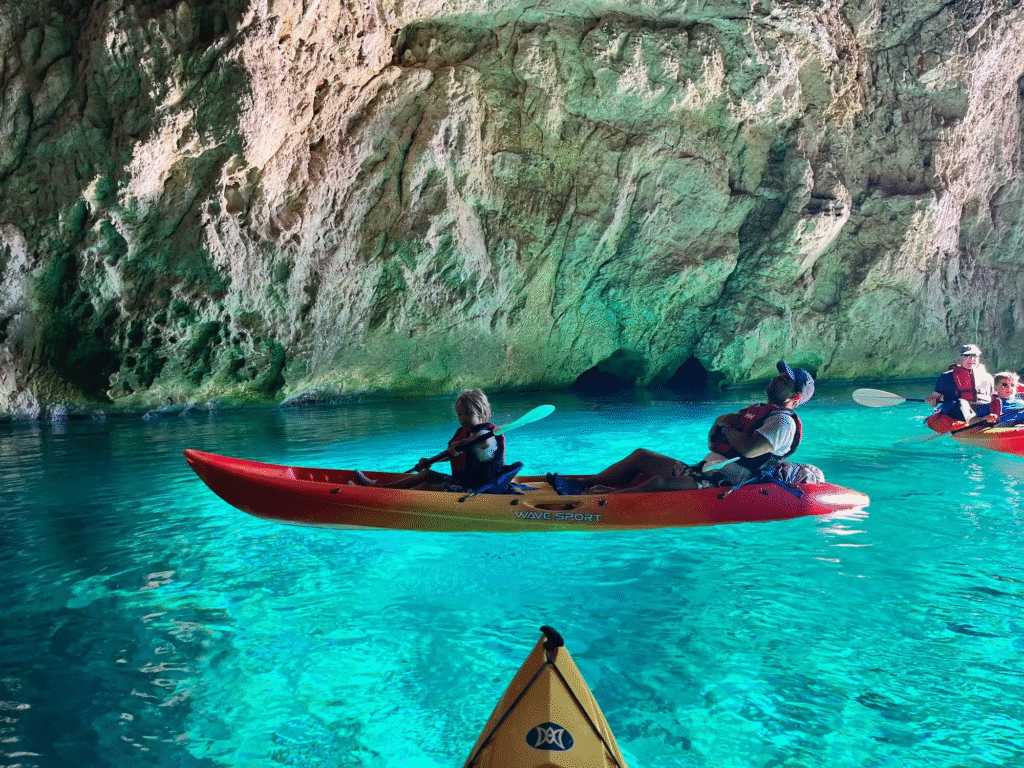
Paddleboard on the calm waters at the Port beach, or snorkel at Cala Portixol beach where the underwater rock formations are fascinating.
Hiking and nature
Many visitors hike the Montgó Mountain for breathtaking views of the entire area. The hiking trails here are fantastic, and the views from the top encompass both Jàvea and Denia. There’s also the Montgó Natural Park, which offers easier walks if you’re not up for the full mountain hike.
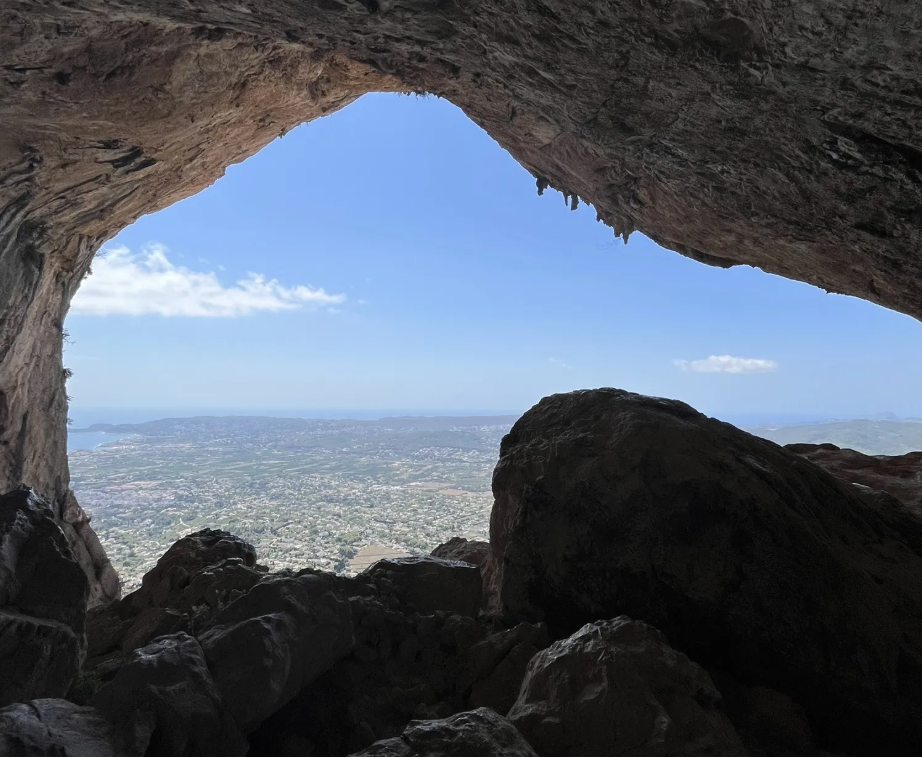
The coastal walk from the Port to Granadella is absolutely stunning, taking you along dramatic cliffs with incredible sea views. It’s about a 2-hour walk one way, but you can turn back whenever you like.
Local festivals and events
Time your visit to coincide with one of Jàvea’s lively festivals for a real taste of local Spanish traditions. The Moros y Cristianos in July is spectacular, with elaborate costumes and mock battles recreating the historical conflicts between Moors and Christians.
The Fogueres de Sant Joan (San Juan) in June is equally impressive, with huge bonfires lit on the beach and fireworks displays that light up the entire bay.
Shopping
Browse boutique shops in the Old Town for unique items and local crafts. The Thursday market is a must-visit for local produce, fresh fruit, and handmade goods.
For bigger shopping trips, there’s La Marina shopping centre in nearby Ondara, about a 15-minute drive from Jàvea. It houses major brand clothes shops and homeware stores.
Dining out in Jàvea
Jàvea’s culinary scene is superb, and you’ll find everything from traditional Spanish cuisine to international options. There are even several Michelin-starred restaurants scattered around the area.
As you’re in the Valencian region, I encourage you to try authentic Valencian paella at any of the restaurants. The seafood paella here is particularly special because the ingredients are caught fresh from the Port that same day.
The Port area restaurants serve the catch of the day, and you can often see what’s available by walking past the kitchen windows. For a more upscale dining experience, the Old Town has several excellent restaurants serving modern Spanish cuisine.
Don’t miss trying the local wine – the Alicante region produces some fantastic varieties that pair perfectly with the local seafood.
Nightlife
If you’re looking for a fun night out, head to the Arenal area. This is where Jàvea really comes alive after dark, particularly on weekends.
Chabada offers excellent live music and unique cocktails – I highly recommend the Desastre, it’s become something of a local legend! Achill is perfect for those looking to dance into the early hours and watch the sun rise over Arenal beach.
For a more relaxed evening, the Port area has several lovely bars with outdoor terraces where you can enjoy a drink while watching the boats in the harbour.
If you want something more lively with clubs and a bigger party scene, Benidorm is only about 30 minutes away and offers a completely different nightlife experience.
Practical information
Getting around
While Jàvea has a local bus service connecting the main areas, it’s not very frequent and doesn’t run late in the evening. I’d strongly recommend renting a car for more flexibility, particularly if you plan to visit surrounding areas or want to beach-hop around the coast.
Javea taxis are available in each area, but can be expensive if you’re travelling outside the main Jàvea area. They’re perfect for short trips or getting home after a night out, but not ideal for day-long sightseeing.
Language
Although Spanish is predominant, you’ll find that many locals speak English due to the large expat community, particularly in bars and restaurants. This is less so in shops and supermarkets, so learning a few basic Spanish phrases will be appreciated by locals and make your experience much richer.
Where to stay
The Old Town and Port area are home to many boutique hotels with real character. For longer stays or family trips, I recommend renting a villa for cost-effectiveness, as you’ll get own space. There’s nothing quite like having your own private space to relax after a day of activities and sightseeing!
I can recommend my good friends Louise and Dean at White Coast Properties, who have gone above and beyond for their guests to provide the best experience while staying in our lovely town.

When is the best time to visit Javea?
Summer season (June to September) is the most popular time to visit. It’ll be much busier, but there’s also loads more happening in terms of the area opening up and activities available. You’ll find those months offer perfect swimming weather and the full Spanish summer experience.
April-May and October are ideal for sightseeing without the summer crowds, and you’ll experience much milder weather. These months are far more relaxing and you’ll avoid the heavy influx of tourists, which some may prefer. The weather is still warm enough for beach days, but comfortable enough for hiking and sightseeing.
Winter visits have their own charm – you’ll have the place almost to yourself, and those mild temperatures I mentioned earlier make it perfect for walking and discovering the area at a slower pace.
Javea Taxis & Taxi Rank Locations
Find the numbers for all of the Javea taxis below. Further in the guide, you can find the locations of the taxi ranks around Javea.
| Javea Taxi Service | Phone Number | App Download |
|---|---|---|
| Radio Taxi Javea | +34 965 79 32 24 | Google Play App Store iOS App Store |
| Taxi 3 Javea | +34 692 44 85 15 | N/A |
| Taxi Pedro García Triguero | +34 966 46 00 51 | N/A |
| Agrupación Local de Autotaxis Jávea | +34 636 48 48 38 | N/A |
At night time and on the weekends, expect the services to be busier than normal.
Is Uber or Bolt available in Javea?
Unfortunately, services like Uber or Bolt are not currently available in Javea. There are only local taxi services provided by companies and independent drivers.
Taxi Rank Locations in Javea
There are several taxi ranks in Javea. These are spotted by a blue sign that states “Taxi,” and sometimes a waiting area to sit.
If you’re near one of the following taxi ranks, you can easily find a taxi:
- Javea Port: On Lepanto Avenue (Dolphin Roundabout)
- Arenal Beach: On Avenida de la Libertad, just a street away from the main promenade.
Javea Taxi Costs
Most of the taxi companies in Javea use meters, which means that taxi fares have a base charge and then a per-kilometre rate. There are usually different rates for day journeys and night journeys, as well as for weekends and holidays.
For example, Radio Taxi Javea charges the following rates within Javea:
- Day (7:00 – 21:00): €1.07 per km
- Night (21:00 – 7:00): €1.38 per km
Most taxis accept card or contactless payment, but it may be best to confirm this before starting your journey.
Looking for any other information about Javea?
Thank you for reading, I hope this guide was helpful! However, if I missed anything you’d like more details on – please feel free to contact me (Caitlin) directly via email on caitlin @ explorecostablanca.com and I’ll try to help however I can! You can contact me and I’ll get back when I can.